
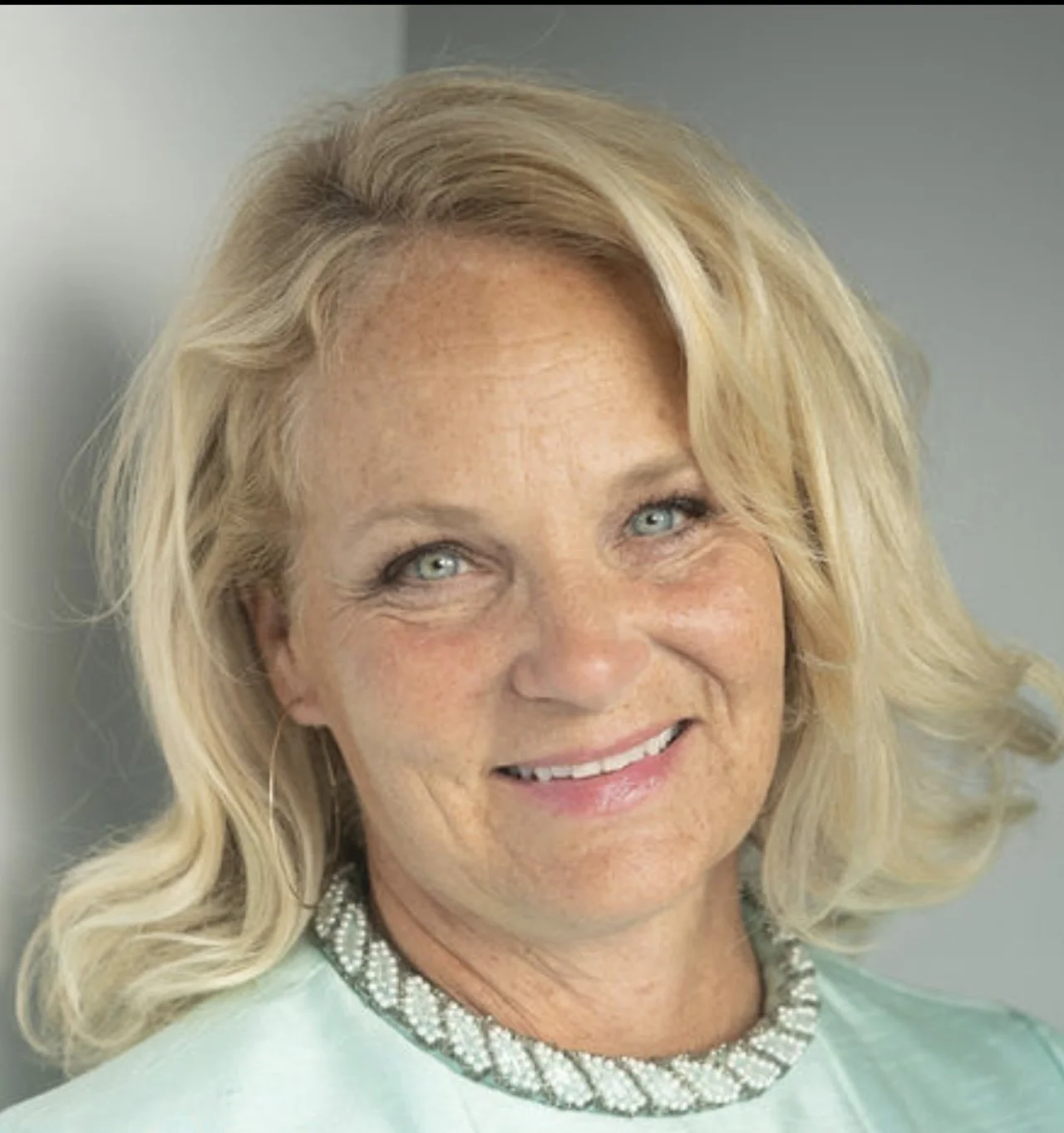
Hillary Summerbell
Founder of the Summerbell Reading Method
When I was a little girl, I learned very early how to hide.
I hid during silent reading time by turning pages when everyone else did. I hid by volunteering to draw the cover art when our class had to write stories. I hid by becoming “the creative one,” the girl who could see patterns, colors, and composition, but I quietly panicked when asked to read aloud.
I am a visual dyslexic. But I didn’t have that language as a child. What I had was the feeling that words on a page looked crowded and unstable, like they were vibrating. I could understand ideas when someone explained them verbally. I could memorize. I could design. I could build beautiful things. But when it came to reading, I felt like I was running uphill while everyone else walked on flat ground.
The hardest part wasn’t the mechanics of reading. It was the humiliation. The quiet shame of believing that something inside me was broken.
That feeling follows many girls into adulthood. We learn to overcompensate. We learn to work twice as hard. We learn to shrink the parts of ourselves that don’t fit the mold.
Years later, I built a successful career in interior design. It was a world where my visual brain was an asset. I understood space, rhythm, and form instinctively. I could look at a room and immediately see how to rebalance it. Clients hired me because I could see what others couldn’t.
And yet, a question lingered: Why did reading, something so foundational, never feel designed for someone like me?
That question eventually became the seed for the Summerbell Reading Program.
One day, while sketching, I began to think about how calm and intuitive curves feel in physical space. We soften sharp corners in architecture because humans respond to flow and movement. So I wondered: What if text didn’t have to sit in rigid, straight lines? What if reading could feel more like design?
I began experimenting with curved text and, in my research, discovered the Positional Reading Arc. The first time I read fluently in that format, I experienced something I had never felt before: relief. The strain I had carried for decades eased. My eyes weren’t fighting the page. My brain wasn’t scrambling to hold onto the beginning of a sentence while decoding the end.
It wasn’t that I suddenly became more intelligent. It was that the environment finally met me where I was.
That moment changed everything.
As women founders, we are often told to build what the market wants. To analyze trends. To identify demand curves. But sometimes the most powerful products come from asking a much more personal question: What did I need when I was younger?
For me, the answer was clear. I needed dignity. I needed a way to access text without feeling ashamed. I needed someone to say, “There is nothing wrong with you. The system just wasn’t built for your brain.”
Summerbell was born from that conviction.
Launching a company later in life—especially as a woman—comes with its own set of narratives. I launched Summerbell in my 60s. Some people assume that entrepreneurship belongs to the young. But in many ways, building this company required the perspective I only gained over time.
It required knowing who I am. It required the confidence to stand by an idea that didn’t fit neatly into existing categories. It required the willingness to hear “This is too hard” and respond, “Yes. And it’s still necessary.”
Being a female founder has also shaped how I lead. I care deeply about the tone of what we build. Summerbell is not a curriculum. It is not a corrective program. It is an accommodation that fits into classrooms and homes without stepping on educators’ expertise. Teachers know methodology best. Our role is to make their work easier by reducing visual overwhelm for students who are already trying incredibly hard.
That distinction matters.
For too long, conversations around dyslexia have centered on fixing deficits. I believe we must shift toward empowering different kinds of minds. Many dyslexic individuals are highly creative, spatial, and big-picture thinkers. When we design environments that support their processing style, they don’t just survive—they excel.
The broader lesson for female founders is this: Your lived experience is not a weakness. It is data. It is insight. It is design intelligence.
So many women have internalized the idea that their struggles disqualify them. In reality, those struggles may be pointing directly toward the product only you can build.
Today, when I see a student use Summerbell and say, “Reading feels easier,” I think about the little girl who hid during reading time. I think about how different her experience might have been if someone had told her she wasn’t broken—just wired differently.
We often talk about representation in leadership. But representation in product design is just as powerful. When women build tools informed by their own lived realities, we expand what’s possible for the next generation.
I did not set out to become an edtech founder. I set out to solve a problem that lived inside me for decades.
And that is the gift of a second act: You get to revisit your younger self with wisdom, courage, and agencyand build what she needed all along.
If there is a part of your story that still aches, pay attention to it. It might just be the blueprint for your next venture. That is how Summerbell started.