
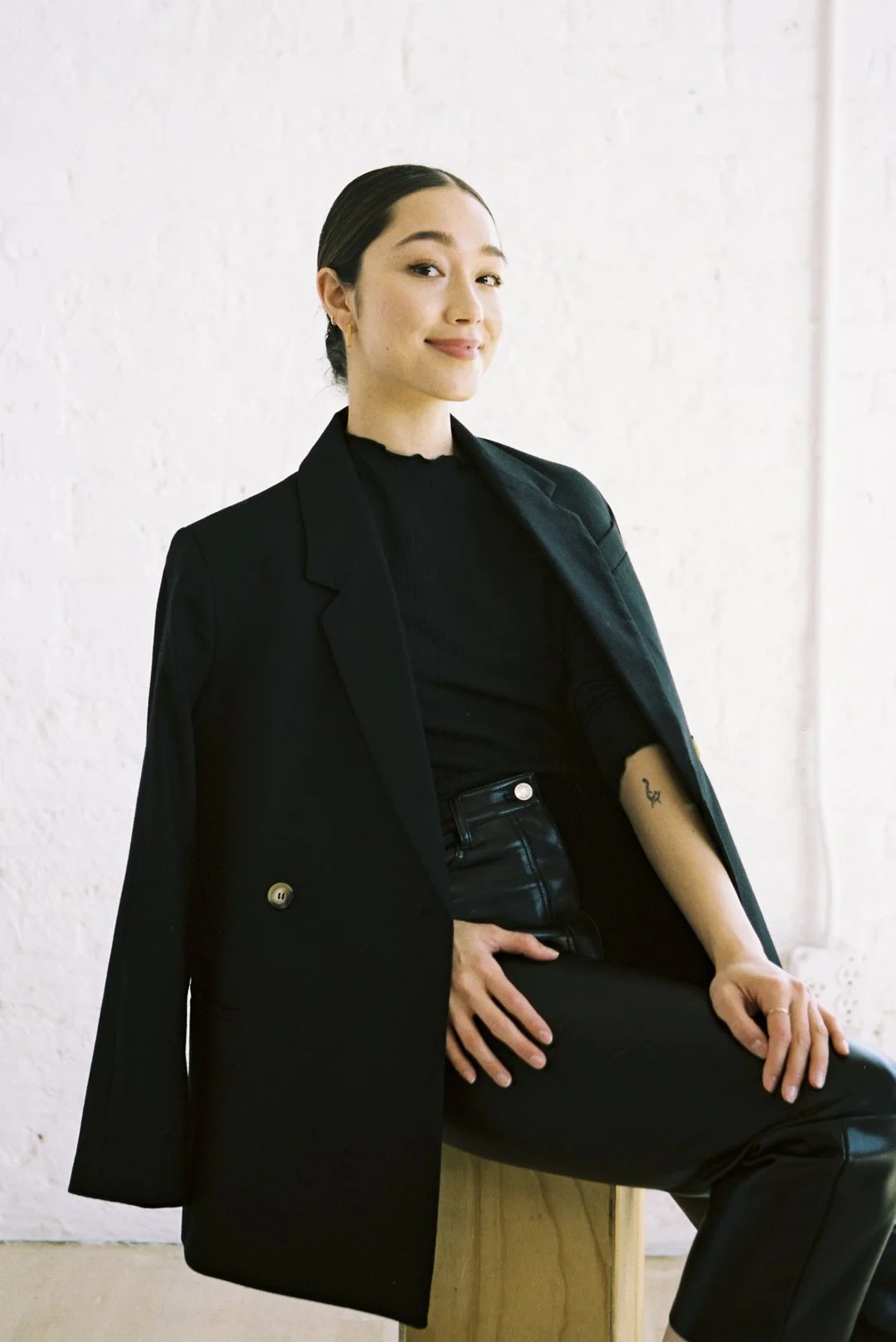
For Steph Hon, the idea for Cadence started with a familiar frustration: expensive skincare spilling out of poorly designed travel bottles. Turning that problem into a business took two years of development alongside a full-time job, a willingness to ask for help, and the conviction that she could build something better. Following her appearance at UWIB’s Ladies Who Launch, Steph shares how her creative background shaped Cadence, what launching weeks before the pandemic taught her, and why you don’t need every answer before taking your first step.
United Women in Business: What first sparked the idea for Cadence, and what moved you from thinking about the problem to committing to building a business around it?
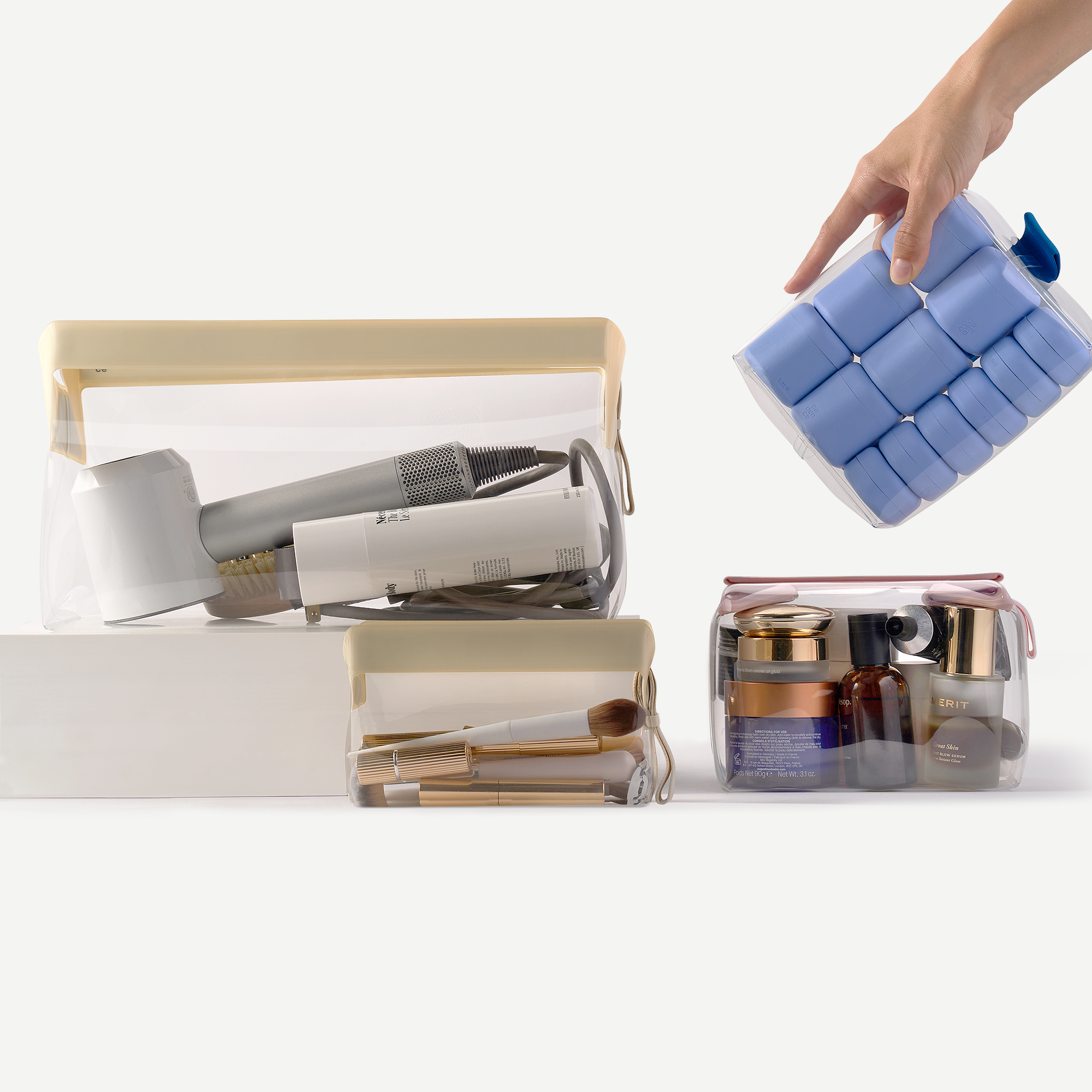
Steph Hon: I’ve always been someone who loves building things and finding better solutions to everyday problems. Growing up in an immigrant household, resourcefulness and creativity were a big part of my upbringing, and I think that mindset has always stayed with me. The idea for Cadence really came from my own frustration with the products I was using to travel. I remember thinking how ridiculous it was that I was putting an $80 moisturizer into a $2 plastic bottle that leaked, was impossible to clean, and just didn't feel worthy of what was inside it. I was constantly dealing with labels, plastic bags, and the stress of making sure nothing spilled. It felt like there had to be a better way.
At the time, I was working in sports marketing and traveling frequently with athletes and production crews. I started noticing that everyone had their own version of this problem. Whether it was skincare, medication, or supplements, people had these important daily essentials they wanted to bring with them, but the products available weren't making that easy.
I spent about two years developing the idea while still working full-time. Eventually, I realized this wasn't just a personal frustration. It was an opportunity to rethink an entire category.
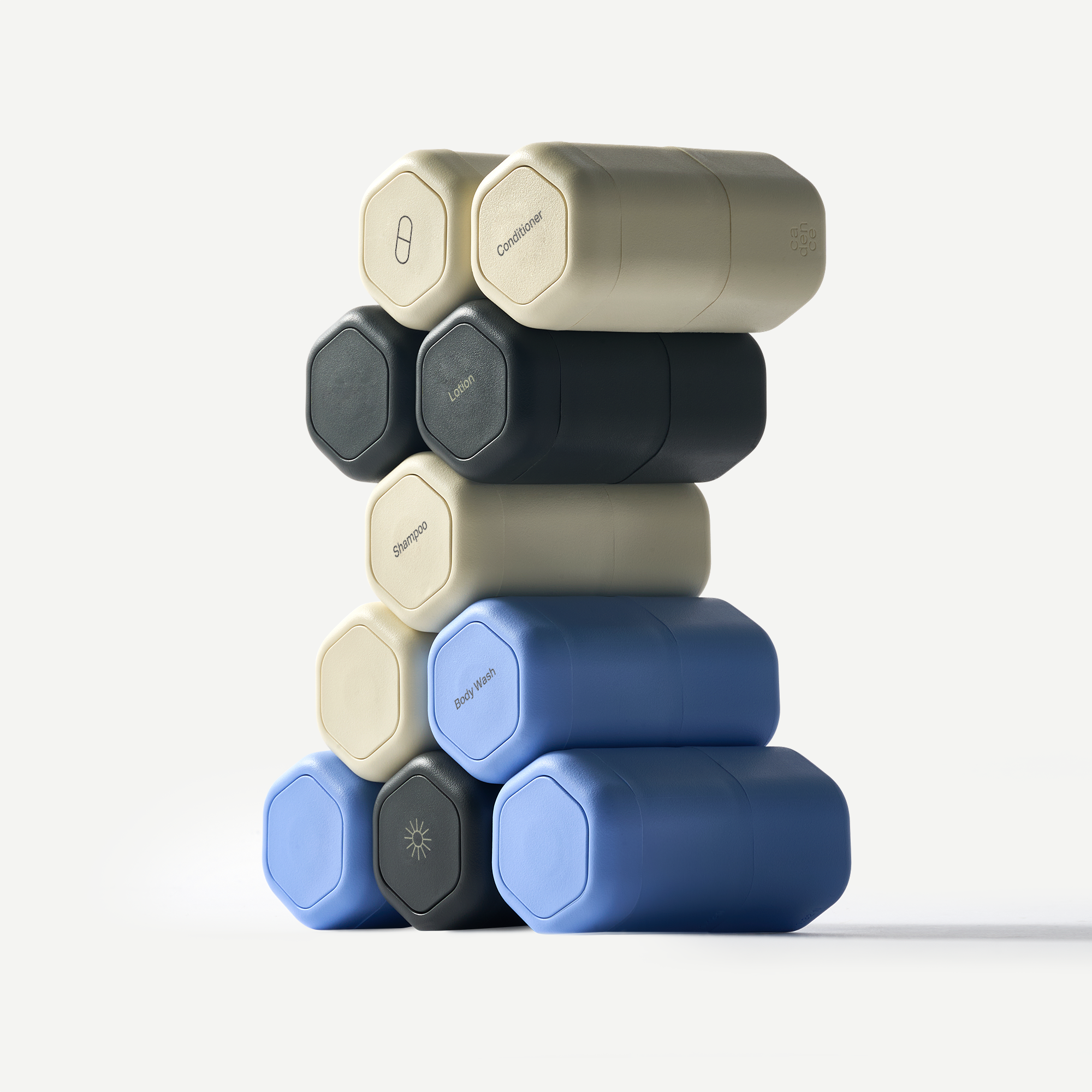
This is when the soul and mission of the company were naturally coming together: we believe the world deserves better products — we solve this by making everything a component of a larger product system, and by doing this we create a little more space so people can be in the moment wherever they are, just a little bit more.
Once we had the design locked and needed to invest in manufacturing, I knew it was time to fully commit. I left my job in 2019, and Cadence launched in February 2020.
UWIB: Your background includes sports marketing; how has that experience shaped the way you approach product design and lead your team?
SH: Working in sports marketing gave me a really interesting perspective on how people move through the world. I worked on films and storytelling projects for brands like Patagonia and Red Bull, and I saw firsthand how much people have to juggle and how important it is to have the things that make them feel prepared, comfortable, and grounded. That experience really shaped the way I think about design. I don't believe products should force people to change their routines. They should adapt to the way people actually live and make their lives easier.
I also trained as a dancer for more than 20 years, and I think that background influences how I approach creativity and movement. I'm always thinking about how something feels, how it functions, and how it fits into someone's day.
At Cadence, we approach every product from that perspective. We don't start with what's already available or what a manufacturer can easily produce. We start with a problem and ask ourselves what the best possible solution could look like. Then we figure out how to build it.
UWIB: What was an early setback that changed how you built Cadence, and what did you do next?
SH: We launched Cadence in February 2020, just three weeks before the world shut down because of COVID. For a brand that people initially associated with travel, the timing couldn't have been more unexpected.
We had spent years developing our first product, and suddenly the world we had designed it for looked completely different. But what became clear pretty quickly was that the problem we were solving was much bigger than travel.
People still wanted to feel organized and have their essentials with them, even if they were only moving between rooms in their homes or going out for a walk. There was something comforting about having control over the small things when so much else felt uncertain.
That experience reinforced something I still believe today: you have to build products around real human needs, not just specific use cases. After those first few weeks, the business really took off.
UWIB: When you’re developing a product, how do you decide which customer feedback to act on and when to trust your own vision?
SH: I think there's a really important balance between listening to your customers and staying true to what you're trying to build. I'm constantly learning from our community. Whenever we launch something new, I host fireside chats where anywhere from 500 to 1,000 people join, and I'll spend hours answering questions and hearing directly from them. That kind of access to our customers is incredibly valuable.
But I also believe that truly innovative products sometimes require you to create something people don't even know they need yet. If we only made what already existed or what people were familiar with, we wouldn't be pushing design forward.
For me, it always comes back to the problem we're solving. Is this feedback helping us create a more intuitive, functional product? Is there a real need behind it? We take those questions seriously, but we're also willing to challenge conventional thinking.
I'm a big believer in asking questions, educating myself, and being open to the possibility that I'm wrong. Then, after taking everything in, I trust my instincts and move forward. Some of our best innovations have come from being willing to do things differently, even when people initially told us they weren't possible.
UWIB: How has your role evolved as Cadence has grown, and what have you had to learn to delegate or let go of?
SH: In the beginning, I was doing absolutely everything. I was fulfilling, answering customer experience emails, designing our website, finding manufacturers, working on product development, fundraising, and figuring out how to build a company without having any real experience in the startup world. I was learning as I went, and I was involved in every little detail.
Today, we have a team of 15 full-time employees, including incredibly talented designers and engineers who help bring our ideas to life. I’ve learned what I need to delegate, but always stay close too. This is a lesson I imagine a lot of founders learn the wrong way — it’s so important to keep the product, finance, and people close. Stay in the weeds longer than you think.
I still lead and run our product development team and creative team because that's the heart of Cadence, and I don't think that will ever change.
UWIB: For a woman with a business idea who feels she needs more experience, money, or certainty before starting, what practical first step would you recommend?
SH: My biggest piece of advice is to start talking about your idea and tell absolutely everyone what you're trying to build and what you need help with. You never know who might be able to connect you to the right person or open a door you didn't even know existed.
When I started Cadence, I didn't have a background in engineering, manufacturing, or entrepreneurship. I didn't know anyone in the startup world, and I certainly didn't have all the answers. I just knew there was a problem I wanted to solve, and I was determined to figure it out.
My first hire was a mechanical engineer I found through a friend of a friend of a friend. He ended up living in his van in my driveway for six months while we worked on the first product, and he's still with Cadence today! That connection never would have happened if I hadn't been telling everyone what I was looking for.
I also spent two years developing Cadence while working full-time, so I don't think you need to quit your job or have everything figured out on day one. Start small, ask questions, find people who know things you don't, and just keep going.
Truly, the number one things that’s needed to start a business is to feel unhinged enough to believe you can do it, and not stop for anything.
You don't need to know how to build the entire business to take the first step. You just need to be willing to start!
