
Building a Business with a Friend: Q&A with Skye Amundsen, CEO and Founder of hope&plum
The strongest business partnerships need to be built on more than a shared vision. You need trust, honest communication, and a willingness to grow alongside one another. For hope&plum co-founders Skye Amundsen and Mallory Mascoli, friendship wasn’t the foundation they started with, but they built it alongside the company itself. In this Q&A, Skye shares how that evolving relationship has shaped hope&plum’s growth, helped the pair navigate the pressures of entrepreneurship, and reinforced their commitment to building a business rooted in empathy, shared values, and support for other women.
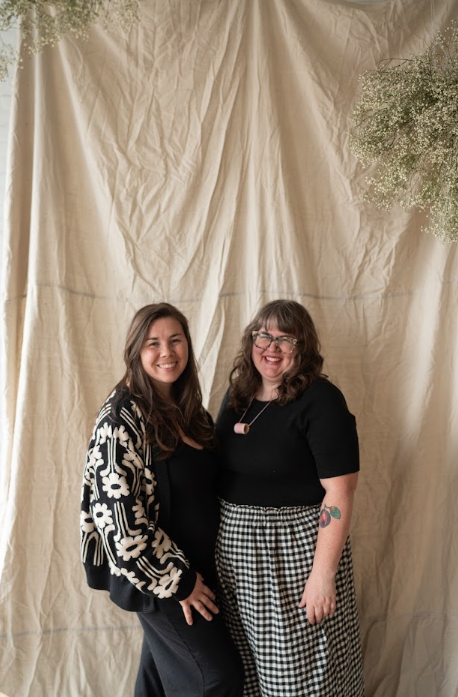
United Women in Business: hope&plum was built through friendship as much as entrepreneurship. How did your relationship with your co-founder shape the earliest days of the brand?
Skye Amundesn: Mallory and I did not start as close friends. We met in an online chat room in 2015 while both trying to conceive our first kids, and we did not actually meet in person until 2016. By the time we started hope&plum in 2018, we had bonded over our shared experience as first-time moms, but the friendship was still new. We had to build a business and a friendship at the same time, which is not the typical founder story. That required a ton of trust, strong communication, and real problem-solving skills from the very beginning, because we did not have years of history to fall back on. We are both spontaneous and adventurous, so in a lot of ways it was a perfect fit. But it also meant we were figuring out how to trust each other in real time, while also trying to build something real.
UWIB: What do you think female friendship can offer in a business partnership that is sometimes undervalued in traditional founder stories?
SA: We came from a strong place of wanting to build each other up, and wanting to build other women up too. It was never just about our ideas. It was about community, shared ethics, and wanting to create that same kind of support for other people, not just for each other. I think that gets undervalued in traditional founder stories, because it does not show up on a pitch deck. But it shapes everything. It is why hope&plum has always felt less like a transaction and more like a place built by people who actually care what happens to the families using our products.
UWIB: When you’re building a company with your best friend, how do you navigate the line between personal support and business decision-making?
SA: Honestly, the line is blurred. At the end of the day, friendship comes first. We have the hard conversations. We do not always agree, but we always work it out. Sometimes that means we have to actively mediate through something, because the business is so personal to both of us. It is not always clean, but we find a way to make it work, every time.
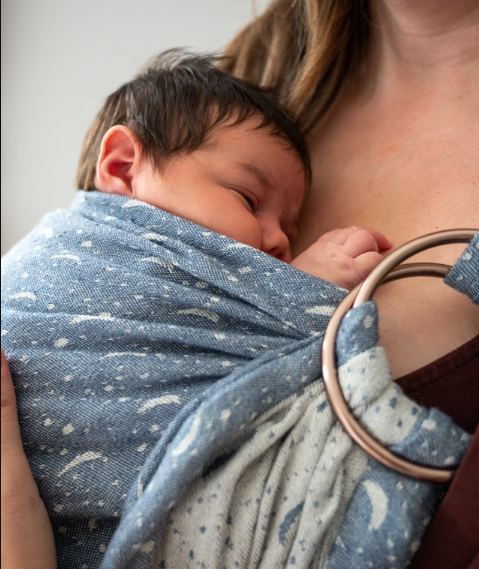
UWIB: Was there a moment in the hope&plum journey when your friendship made the work feel more possible, especially during a challenging season?
SA: Our hardest season has honestly been the growth itself. We have grown 40X in three years, and that kind of explosive growth is intense and all-consuming. It is hard to navigate when it feels like you can never fully catch up. That is where the friendship really carries us. It can be so lonely to be a founder, and having a co-founder who is also a friend is a built-in support system on the days growth feels like too much. We know exactly what is stressing the other one out, because we are both living inside the same chaos. We do not always have time to fully agree before we act, but we always make time to come back to it, and that trust is what lets us keep moving without it breaking us.
UWIB: What have you learned about trust, communication, or conflict from founding a company with someone you already had a deep personal relationship with?
SA: We did not have a deep personal relationship before hope&plum, we built one alongside it, and I think that actually taught us more about trust and communication than if we had started as old friends. We had to learn each other fast, and we had to learn how to fight fair, because there was no long history of grace to lean on yet. That forced us to communicate honestly and directly from the start, instead of letting things go unsaid. As hope&plum grew from an idea into a brand serving real families, that same instinct followed us. Careful, honest communication behind the scenes is part of what lets us stay consistent and parent-first in public.
UWIB: What advice would you give to other women who are considering starting a business with a close friend?
SA: Make roles and expectations clear early. Communicate constantly. Have the hard conversations, even when you would rather avoid them. And be prepared to fight for the friendship, because it will get hard. Building a company together does not just test the business, it tests the relationship too. You have to be willing to protect both at once.
